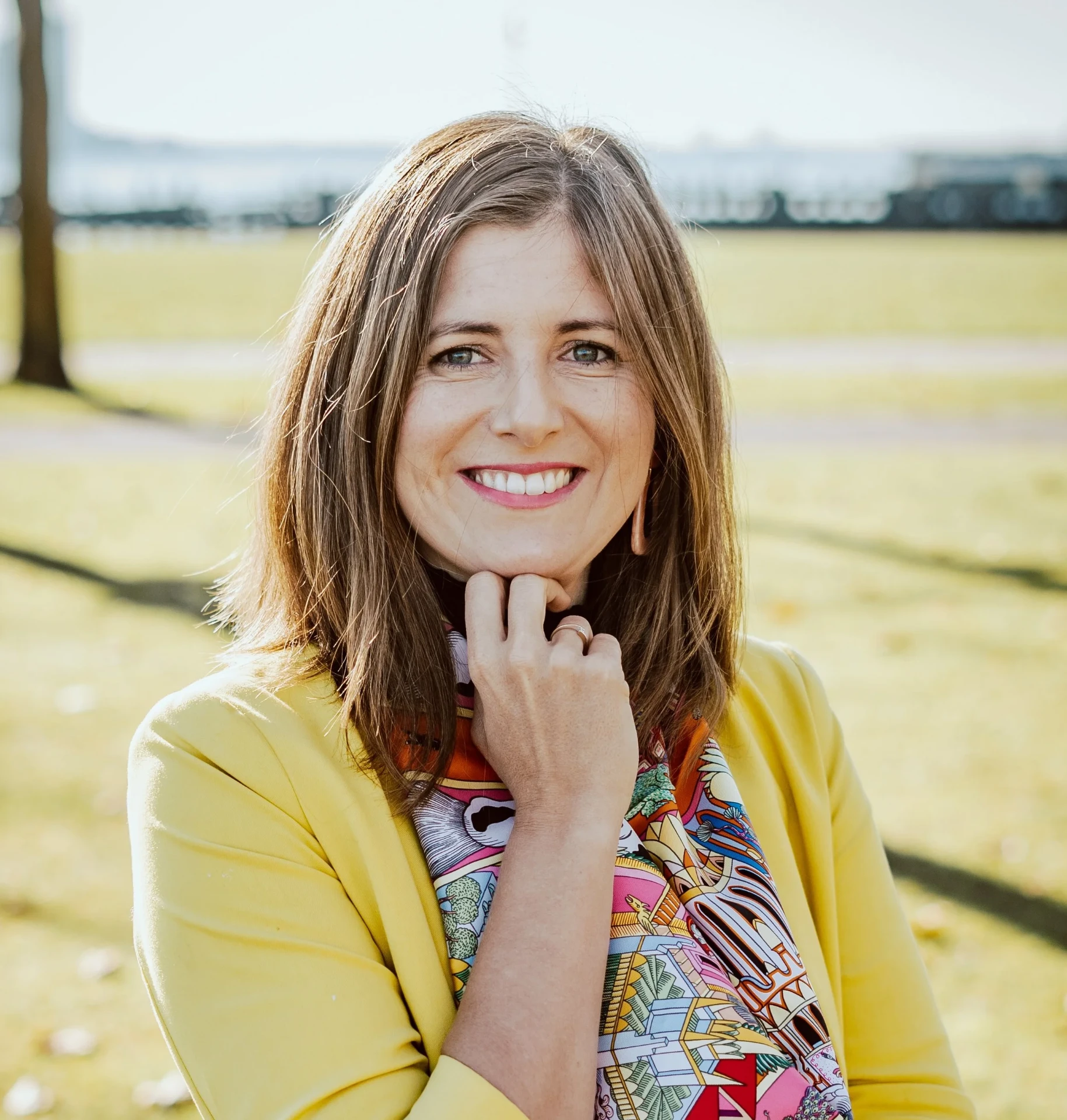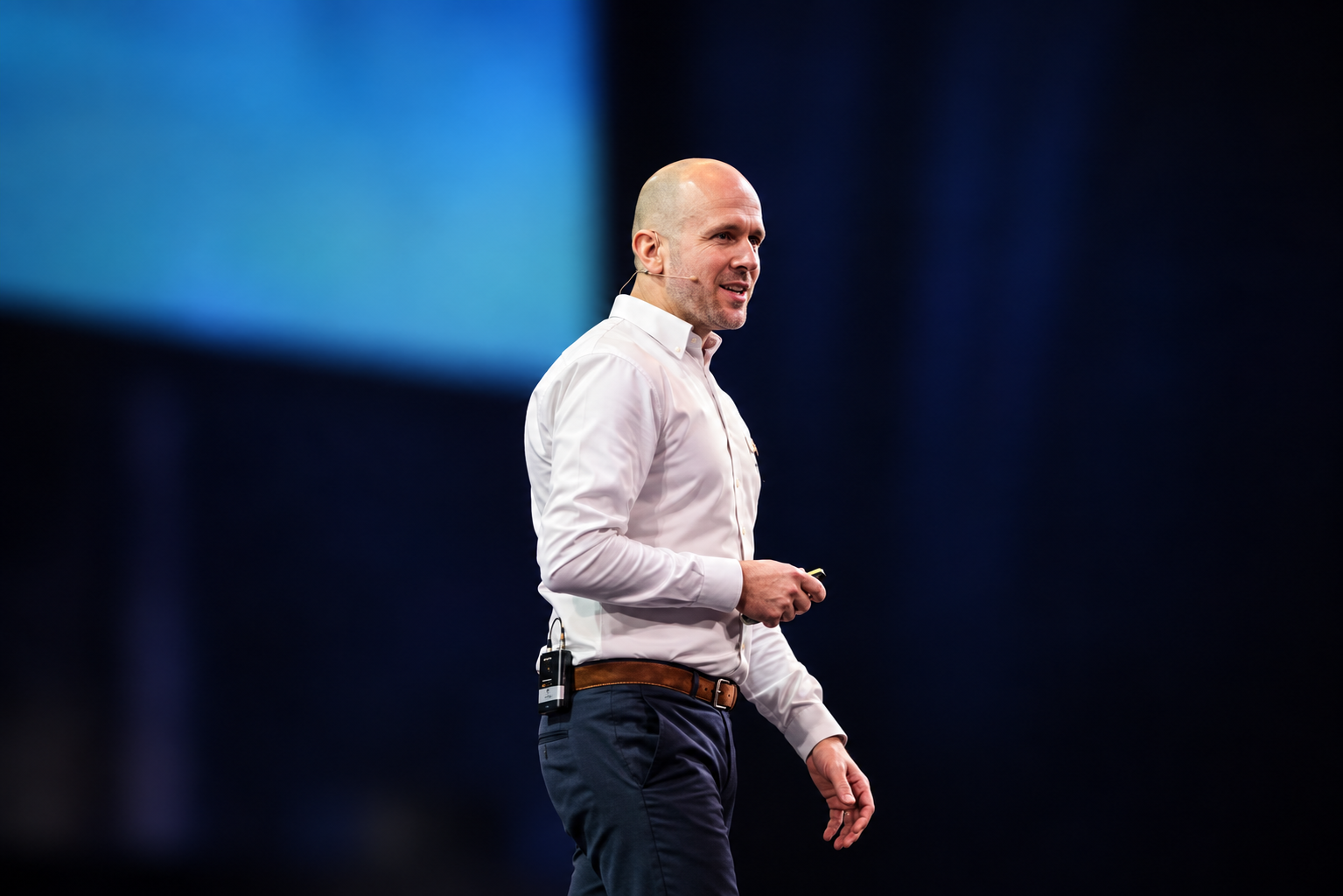
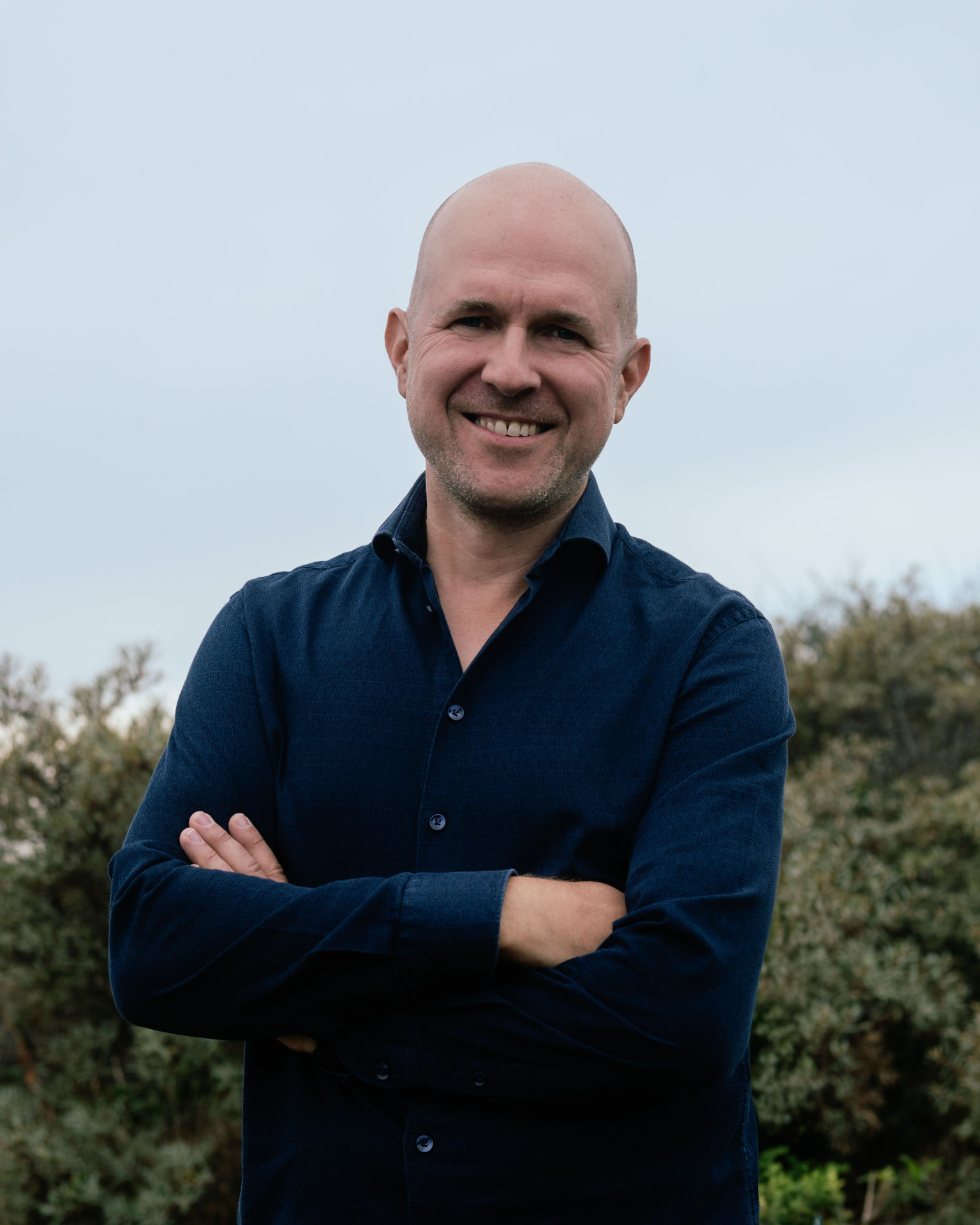
About Carlo

One question,
held for a long time.

“Why do capable, intelligent people so often struggle not with what they know — but with how to find their way through it?”

Almost everything that follows — the corporate years, the continents, the family, the accident, the work — has been a long, slow answer to that single question.

  • 16+ years · sales · marketing · leadership
  • · Belgium · France · USA · Netherlands
  • · Father of three · entrepreneur
→ Connect on LinkedIn
Carlo writing — quiet morning reflection.
Reflection · the work behind the work.
— Evidence, gathered slowly

Six chapters, one question.

None of these were milestones at the time. In hindsight, they are the moments that quietly taught me what this work is actually about.

  1. Chapter I

    Between countries, between definitions

    I grew up between cultures — Sweden, the United States, and the Low Countries among them — and learned early that every society quietly hands its people a map of what a good life looks like. What stayed with me was not any particular map, but the noticing itself: how much of what we chase was chosen for us before we understood we were choosing.

  2. Chapter II

    Sixteen years inside the machine

    I trained in economics and business, then spent more than sixteen years inside international corporate life — executive leadership, sales, and marketing across Belgium, France, the United States, and the Netherlands. What I remember most is not the strategy decks. It is watching capable, intelligent people become slowly disoriented — not for lack of information, but because they had no reliable way to orient inside so much of it.

  3. Chapter III

    Becoming a father

    Fatherhood, three times over, reframed the questions I had been carrying. Ambition without presence began to feel like a quieter form of absence. It was the first time I understood, in my own life, that the hardest decisions are almost never about what to do. They are about what to give up in order to do it.

  4. Chapter IV

    A morning on the mountain

    A serious ski accident and the long recovery that followed did not change who I was. It clarified what I had already begun to suspect. External success without internal alignment slowly becomes a quiet form of disorientation. Lying still for months, I understood that the question was never how to move faster. It was how to move in the right direction.

  5. Chapter V

    Leaving a chapter that was finished

    I stepped away from the corporate path not because it failed, but because it was finished. What I had learned about leadership, change, and the architecture of consequential decisions wanted a different container — closer to the people actually carrying those decisions.

  6. Chapter VI

    Human Navigation, named

    Your North Star is the practice that emerged. It is built on a single observation: intelligent people rarely lack information. They lack a way to navigate — through complexity, uncertainty, competing loyalties, and the choices that quietly shape a life. Naming that discipline gave the work its purpose.

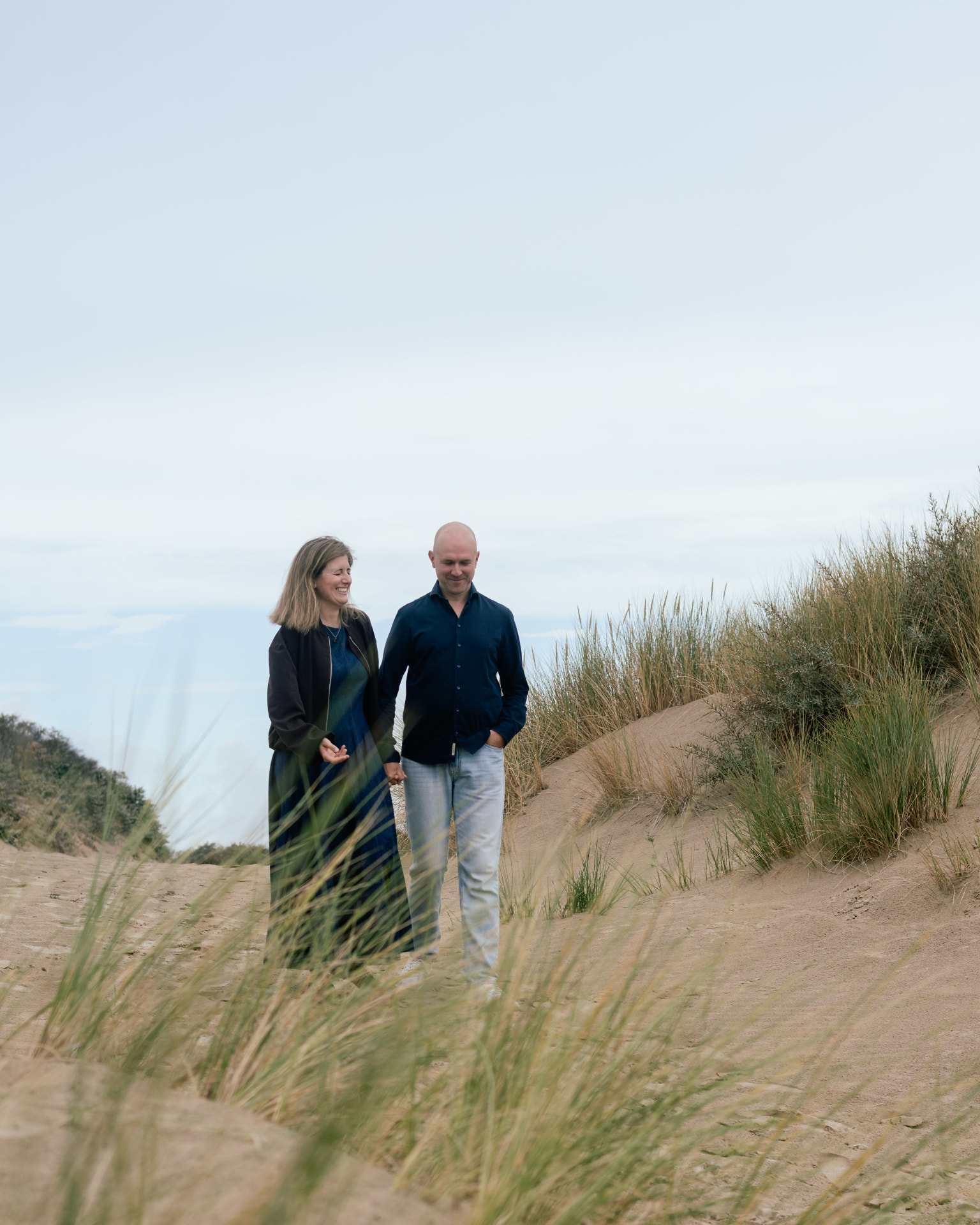
Carlo walking through coastal dunes.
— What the years taught

Human Navigation.

What became clear, slowly and then all at once, is that most people are not held back by what they do not know. They are held back by how difficult it has become to navigate what they already know — the complexity, the competing loyalties, the decisions that quietly shape a life.

Success is rarely limited by intelligence. It is limited by navigation. By the ability to hold uncertainty without collapsing it, to weigh trade-offs honestly, and to move in a direction that is actually yours.

That is the discipline I now practice. Not therapy. Not coaching in the conventional sense. Not consulting. A structured way of helping serious people navigate the decisions that will define the next chapter of their life and work.

Intelligence is abundant. Direction is scarce.

— What I believe

A few things
held for a while.

Not conclusions. Working principles — the ideas that have quietly shaped years of work with founders, executives, and families navigating consequential decisions.

  1. I

    Life is navigated, not controlled.

    Uncertainty is a permanent feature. The task is not to eliminate it, but to develop the capacity to move through it with judgment and intention.

  2. II

    Reflection is what turns experience into direction.

    Before meaningful action comes understanding. Direction is rarely found through speed; it is found through thoughtful attention.

  3. III

    Identity is shaped through practice, not declaration.

    We become who we are through the choices we repeat. Character develops through consistency rather than intention.

  4. IV

    Small, repeated actions build meaningful lives.

    Transformation rarely arrives through dramatic moments. It is the cumulative result of ordinary decisions taken seriously.

  5. V

    Technology should amplify what is distinctly human.

    Judgment, taste, courage, presence, and care. Artificial intelligence is most valuable when it strengthens these — not when it substitutes for them.

  6. VI

    Wisdom matters more as intelligence becomes abundant.

    When knowledge is universally accessible, the scarce resource becomes the capacity to weigh, discern, and choose. Direction is the new advantage.

  7. VII

    Better conversations build better futures.

    The quality of a life, a family, a company is shaped by the quality of the conversations its members are willing to have.

  8. VIII

    Human flourishing is the measure of progress.

    Success cannot be evaluated by productivity or growth alone. It is measured by our capacity to live with purpose and navigate change with resilience.

— Perspectives

The thinking,
in its own form.

Over the years I’ve written essays, reflections, and field guides on leadership, identity, artificial intelligence, and the decisions that shape meaningful lives and organisations.

If you’d like to understand how I think before we ever have a conversation, this is the best place to begin.

— References

Speak with someone who has done the work.

Choosing to enter a process like this is a serious decision. For qualified prospective clients, I’m glad to introduce you — with their consent — to someone who has previously gone through the work, so you can hear about it in their own words.

Client confidentiality is held carefully. Introductions are only made when both sides welcome the conversation.

Carlo and family at the waterfront.
The ground beneath the work.
— Personal

A life in motion, by design.

I live with my family across places, in conversation with nature, with my children, and with the work itself. Alignment is not a method I teach from a distance — it is a practice I live, slowly and imperfectly, like everyone.

— The natural next question

How does this way of thinking
become a practice?